
The best site to get your Nigerian News, Latest News, Breaking News & Trending. From Politics, Entertainment, Sport, Education and Health.
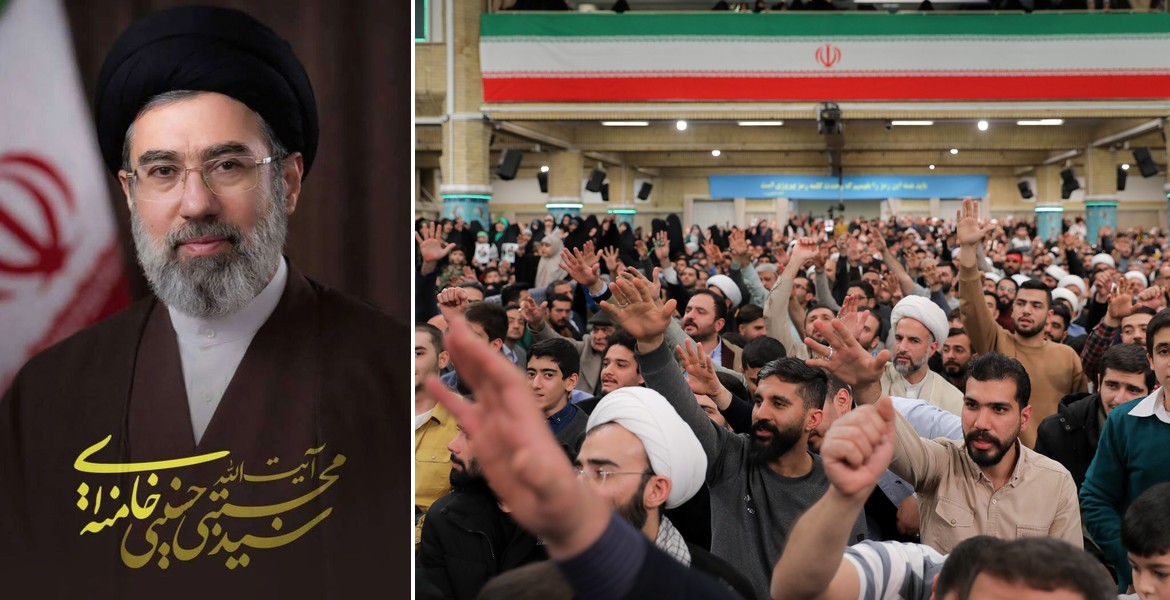
Iran has appointed Mojtaba Khamenei, the son of the late Ayatollah Ali Khamenei, as the country’s new Supreme Leader, a dramatic leadership change that comes in the middle of the ongoing war involving Iran, Israel, and the United States.
The announcement follows the death of Ali Khamenei during joint U.S.–Israeli strikes on Iran, an event that significantly escalated tensions across the Middle East and triggered widespread retaliation by Iranian forces.
Mojtaba Khamenei is a 56-year-old cleric who has long been considered one of the most influential figures inside Iran’s political and religious establishment.
Key facts about him:
Despite his influence, Mojtaba previously held no official government office, which makes his rise to the country’s highest leadership position highly controversial.
Iran’s clerical body known as the Assembly of Experts selected Mojtaba to succeed his father as supreme leader.
This decision is historic for two reasons:
Critics inside and outside Iran argue that the move resembles hereditary rule, which contradicts the ideological foundations of the Iranian revolution that overthrew a monarchy.
The leadership change comes while the conflict continues to escalate across the Middle East.
Recent developments include:
The conflict has already caused over 1,600 deaths across the region, including civilians and military personnel.
The war and leadership change have had immediate economic consequences:
Because roughly 20% of global oil passes through this region, prolonged conflict could affect energy prices worldwide.
Analysts say Mojtaba Khamenei’s appointment could signal:
Some experts also believe the leadership change was intended to project stability and continuity inside Iran during wartime.
 English