
The best site to get your Nigerian News, Latest News, Breaking News & Trending. From Politics, Entertainment, Sport, Education and Health.
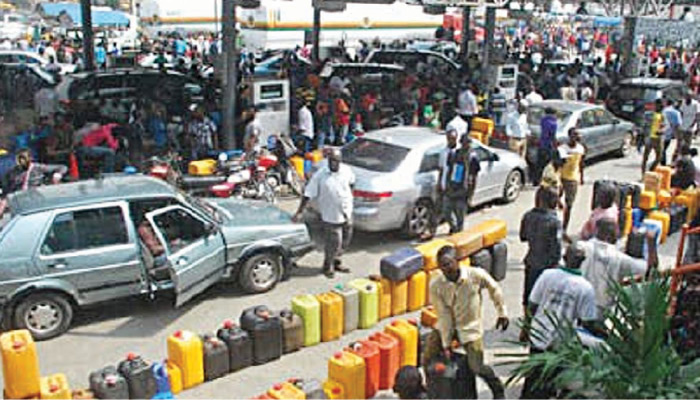
Nigeria’s fuel market is facing renewed uncertainty following the Dangote refinery petrol price increase, a development that analysts say reflects the combined effects of global oil volatility, supply challenges, and geopolitical tensions in the Middle East.
The situation has sparked discussions within Nigeria’s energy sector, with the Nigerian National Petroleum Company Limited (NNPC) reportedly considering the supply of foreign crude oil to the Dangote Refinery to sustain operations and stabilize domestic fuel production.
Recent reports indicate that the Dangote Refinery has raised its petrol gantry price significantly, pushing the ex-depot rate close to ₦995 per litre. This marks a sharp increase of more than ₦200 within just a few days, reflecting fluctuations in global crude oil prices.
Earlier price adjustments had already raised the refinery’s petrol price from ₦774 to ₦874 per litre, before the latest hike pushed the figure even higher.
These changes have had a direct impact on retail fuel prices across the country, with pump prices in some cities approaching or exceeding ₦1,000 per litre.
Industry reports suggest that the Dangote Refinery requires about 13 to 14 cargoes of crude oil monthly to operate at full capacity. However, domestic supply has often fallen short, with only around five cargoes delivered in some months.
To address the gap, the NNPC is exploring the possibility of sourcing crude oil from international traders, ensuring that the refinery has sufficient feedstock to maintain production.
While the intervention could help stabilize refining operations, experts warn that it may not immediately translate into lower petrol prices for consumers due to existing market pressures.
Nigeria’s fuel price volatility is also linked to global developments, particularly the ongoing geopolitical tensions in the Middle East.
The escalation of conflict involving Iran has disrupted global supply routes and pushed crude oil prices sharply higher. At one point, oil prices surged above $119 per barrel, the highest level in several years.
Because Nigeria imports some refined petroleum products and relies on global crude markets for pricing benchmarks, any international supply disruption quickly impacts the domestic fuel market.
The Dangote refinery petrol price increase is already affecting households, small businesses, and transportation costs across Nigeria.
Higher fuel prices typically lead to:
Energy analysts warn that if global oil prices remain elevated, Nigeria could see further adjustments in petrol prices in the coming months.
Despite the current price volatility, the Dangote Petroleum Refinery remains a key pillar of Nigeria’s energy strategy. The refinery, located in the Lekki Free Trade Zone in Lagos, is one of the largest single-train refineries in the world and is capable of meeting the country’s domestic fuel demand while exporting surplus products.
Many experts believe that once the refinery reaches full capacity and crude supply stabilizes, Nigeria could experience greater fuel supply security and reduced dependence on imported refined products.
But the ongoing Dangote refinery petrol price increase underscores how Nigeria’s energy sector remains closely tied to global market dynamics. While domestic refining capacity is expanding, stable crude supply and international oil market conditions will continue to influence fuel prices.
For policymakers and industry stakeholders, the key challenge remains balancing energy security, affordable fuel prices, and sustainable refining operations in an increasingly unpredictable global energy landscape.
 English