
The best site to get your Nigerian News, Latest News, Breaking News & Trending. From Politics, Entertainment, Sport, Education and Health.
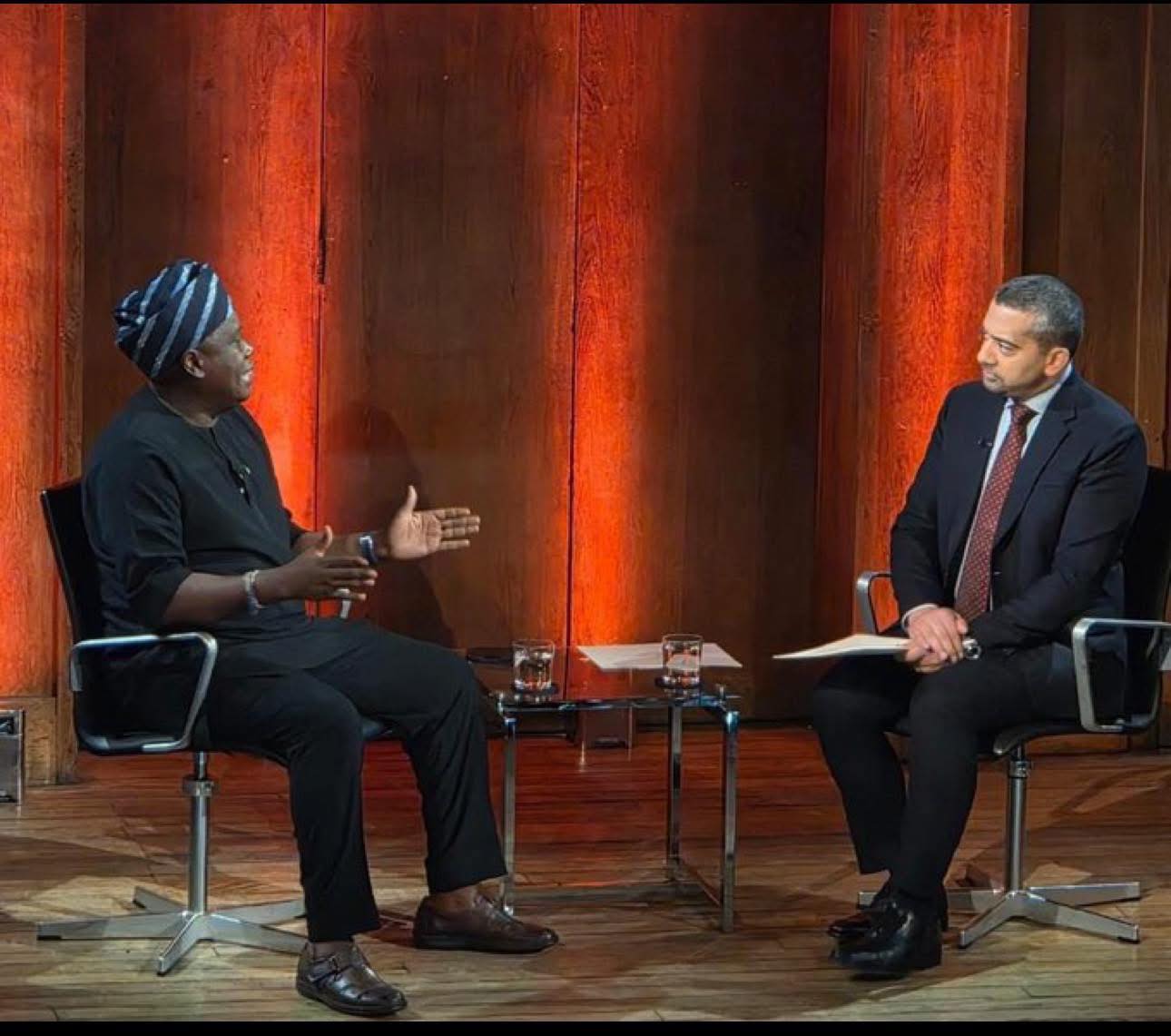
The Daniel Bwala Mehdi Hasan Al Jazeera interview has become one of the most talked-about political media moments in Nigeria, triggering heated debate across social media, political circles, and news platforms.
The nearly 50-minute interview aired on Al Jazeera’s “Head to Head” programme, where journalist Mehdi Hasan questioned Daniel Bwala, Special Adviser to President Bola Tinubu on Media and Policy Communication, about the performance of the current administration and Bwala’s past political statements.
The discussion was framed around the theme “Nigeria: Renewed Hope or Hopelessness?”, referencing President Tinubu’s political slogan and examining whether the administration has delivered on its promises regarding economic reform, security, and governance.
During the interview, Hasan confronted Bwala with previous remarks he made about Tinubu before joining the ruling party, including comments made while he was aligned with opposition figures during the 2023 elections.
The interviewer cited several past statements in which Bwala had criticised Tinubu, including allegations about election-related activities and corruption. Bwala repeatedly denied making some of the claims and argued that statements made during opposition politics should be understood within that context.
According to Bwala, political rhetoric during campaigns often reflects the nature of competitive politics, noting that “those were things I said when I was in the opposition… it is all politics.”
The Daniel Bwala Mehdi Hasan Al Jazeera interview quickly went viral online, drawing strong reactions from Nigerians.
Some critics argued that Bwala struggled to respond convincingly to the host’s questions and appeared inconsistent when confronted with his previous comments.
Others, however, defended the presidential aide and criticised the interviewing style used on the programme.
Segun Showunmi, a chieftain of the Peoples Democratic Party in Ogun State, described the exchange as “hostile and unprofessional,” arguing that the questioning crossed the line from investigative journalism into personal attacks.
He further described the interview as a “public ambush,” claiming that repeated interruptions and aggressive questioning undermined constructive dialogue.
Media commentator and Arise TV anchor Charles Aniagolu also weighed in on the controversy, arguing that the interaction resembled a courtroom interrogation more than a standard interview.
According to Aniagolu, Mehdi Hasan “cross-examined” Daniel Bwala rather than interviewing him, focusing on inconsistencies between Bwala’s past statements and his current role defending the government.
Aniagolu suggested that because the exchange centered heavily on credibility rather than policy discussions, the interviewer controlled the narrative throughout the conversation.
Following the intense public reaction, Bwala defended his appearance on the programme, stating that the producers initially contacted him to discuss issues such as security, corruption, and the economy, not his past political statements.
He argued that the focus of the interview changed unexpectedly and suggested that the producers should have informed him beforehand if the discussion would center on his previous comments about Tinubu.
Despite the criticism, Bwala insisted he remains committed to defending the administration wherever necessary, emphasizing that promoting government policies is part of his role as a presidential spokesperson.
Beyond the immediate controversy, the Daniel Bwala Mehdi Hasan Al Jazeera interview has sparked broader discussions about political accountability, media ethics, and the role of journalists in challenging government representatives.
Supporters of Hasan’s approach argue that confronting public officials with their past statements is a legitimate journalistic method designed to hold politicians accountable.
Critics, however, say interviews should focus more on policy discussions rather than attempting to trap guests in contradictions.
The Daniel Bwala Mehdi Hasan Al Jazeera interview highlights the increasingly complex relationship between politics and the media in the digital age. In an era where interviews can go viral within hours, public officials face greater scrutiny than ever before.
Whether viewed as a powerful example of tough journalism or an unnecessarily confrontational exchange, the interview has undeniably ignited a national conversation about leadership, credibility, and the evolving standards of political communication in Nigeria.
 English