
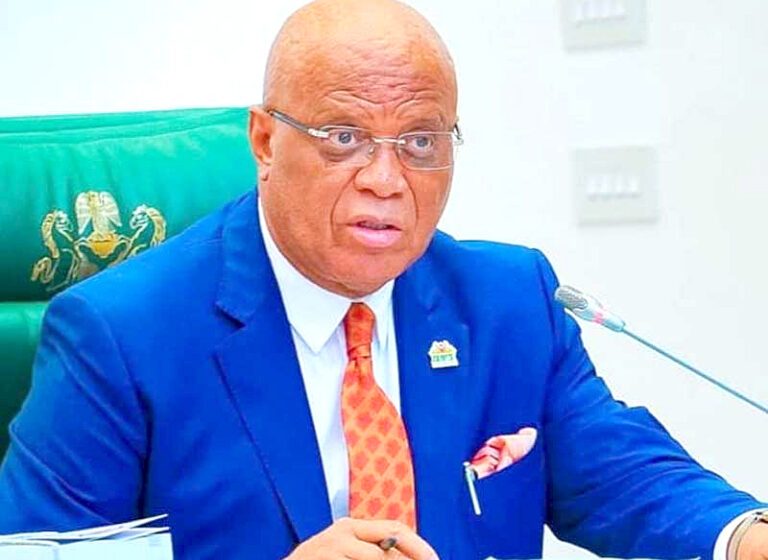

UYO, Nigeria — Akwa Ibom State Governor, Pastor Umo Eno, revealed that he generated no less than ₦10 million monthly operating a small-scale akara (bean cake) and bread business prior to his venture into public office and politics.
The governor disclosed this personal milestone during the state’s monthly covenant prayer service, explaining that his entrepreneurial journey began from modest origins before expanding into a broader hospitality enterprise.
The “Akara Burger” Concept
According to Governor Eno, his primary edge stemmed from product packaging and location strategy. He introduced a combination he called the “Akara Burger”—stuffing freshly fried bean cakes directly inside loaves of bread—and paired the offering with hot coffee.
“We still have that shop there. I started selling akara and bread. Back then, I was doing Akara Burger. We open the bread and put akara inside for you. People going to work in ExxonMobil would buy it in the morning and take coffee. We started a coffee shop and then they would take it. Every month, that akara business used to give me nothing less than ₦10 million.” — Governor Umo Eno
He highlighted that targeting early-morning commuters and staff heading to multinational oil installations like ExxonMobil provided a steady, high-volume customer base that fueled the business’s growth.
Business Model Breakdown
| Business Aspect | Details Disclosed |
| Primary Product | “Akara Burger” (Bean cake stuffed inside bread) |
| Secondary Product | Hot Coffee & Beverages |
| Key Target Demographics | Commuters & ExxonMobil oil workers |
| Claimed Monthly Revenue | Not less than ₦10 million |
| Key Entrepreneurial Lesson | Starting small with innovation leads to enterprise growth |
Public Reaction and Context
The governor’s revelation stirred widespread discussion across digital media. While supporters praised the story as an inspiring example of grassroots entrepreneurship and resilience, social critics and commentators raised questions regarding the unit economics and profit margins needed to generate ₦10 million monthly from street food sales during that era.
The narrative also reignited national discourse surrounding small-scale enterprise empowerment, coming months after First Lady Oluremi Tinubu publicly advocated for low-capital businesses like akara trading as viable pathways to economic self-reliance.


 English