
The best site to get your Nigerian News, Latest News, Breaking News & Trending. From Politics, Entertainment, Sport, Education and Health.
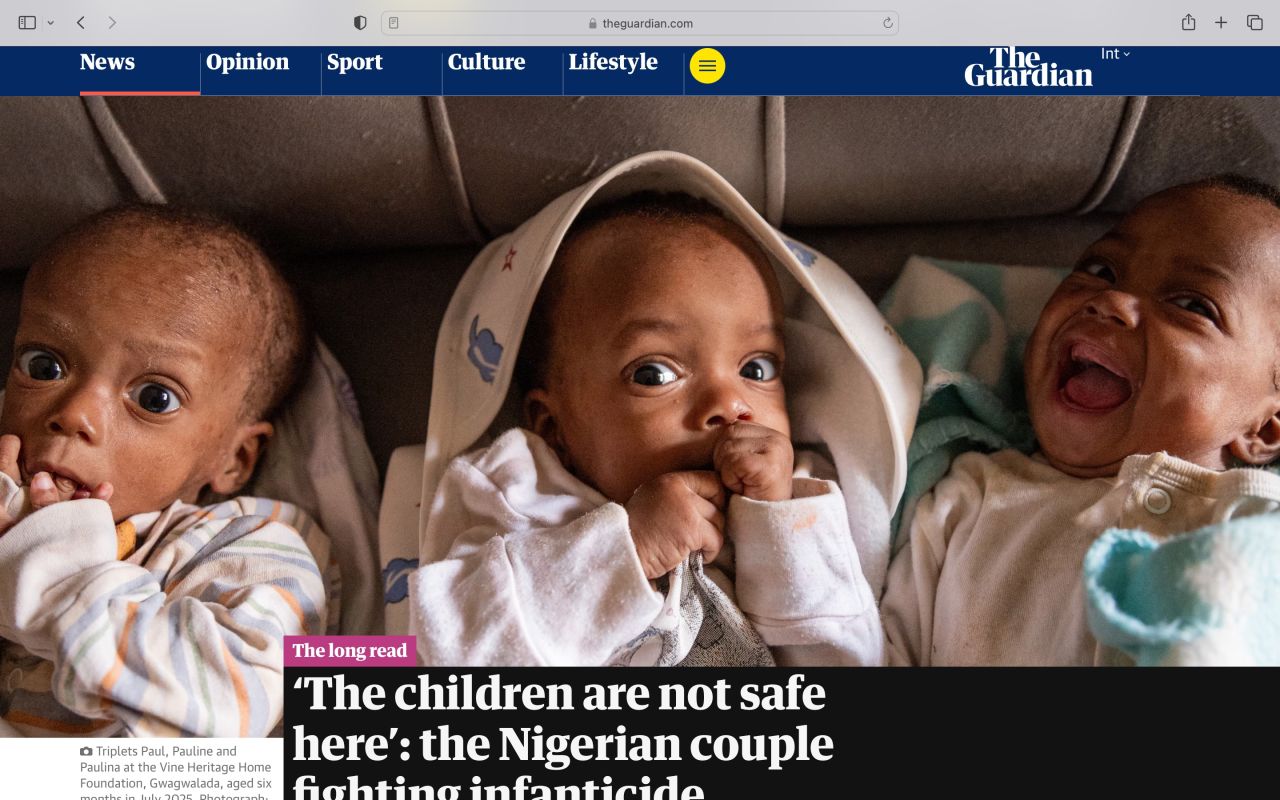
Infanticide in Nigeria remains a deeply troubling and largely hidden issue, rooted in age-old cultural beliefs that label certain newborns as “evil omens” and justify their killing. Despite decades of advocacy and legal prohibitions, the practice persists in pockets of the country — particularly in parts of the Federal Capital Territory (FCT) — and continues to draw concern from human rights groups, health advocates, and government agencies.
The term “infanticide” in this context refers to the killing of infants during or shortly after childbirth, often because they are perceived as unlucky or dangerous. Traditional misconceptions have targeted twins, babies born with physical differences, those born after the death of their mother, or infants with conditions such as albinism — all wrongly believed to bring misfortune to families or communities.
Investigations and community surveys have revealed that infanticide persists in several remote villages around the Federal Capital Territory, despite urbanisation and increased religious influence. According to reports, some communities in the FCT continue to regard twins and other newborns with physical traits outside “normal” expectations as evil, resulting in poisoning, burial alongside deceased mothers, or abandonment.
The FCT Administration has acknowledged that the practice is not extinct and continues to occur in some areas. Ad-hoc government committees and traditional leaders have repeatedly condemned killing twins and other infants, emphasising that such acts are “ungodly” and counter to social norms.
Civil society organisations have played a pivotal role in bringing this hushed issue to the forefront. For years, ActionAid Nigeria and partners such as the European Union and the Vine Heritage Home Foundation have implemented programs like the Mobilising Actions Towards the Abolition of Infanticide (MATAI) project. These initiatives focus on public education, community advocacy, and providing safe havens for infants at risk.
Leaders of these initiatives have described infanticide as “shrouded in secrecy”, with very few willing to speak openly about it. Babies are reportedly buried alive with their mothers, poisoned with deadly herbs, starved, suffocated, or offered in sacrifices practices that are invisible to most Nigerians but deeply traumatic for those affected.
Underlying infanticide are entrenched cultural beliefs and misconceptions. Historical narratives around twins and certain birth anomalies created social stigma that was once perpetuated by spiritual interpretations. For instance, the killing of twins was widely practiced among some ethnic groups before 19th-century missionary efforts, led by figures like Mary Slessor, began challenging the custom.
Today’s persistence of infanticide is driven less by mainstream cultural norms and more by illiteracy, poverty, and lack of access to formal healthcare. Mothers in remote communities with limited prenatal care options may face isolation and misinformation conditions that compound the risk of harmful practices.
Government agencies, including the FCT Administration and health authorities, have repeatedly condemned infanticide and instituted public education campaigns. However, efforts remain uneven with progress, because of traditional beliefs deeply embedded in certain rural areas.
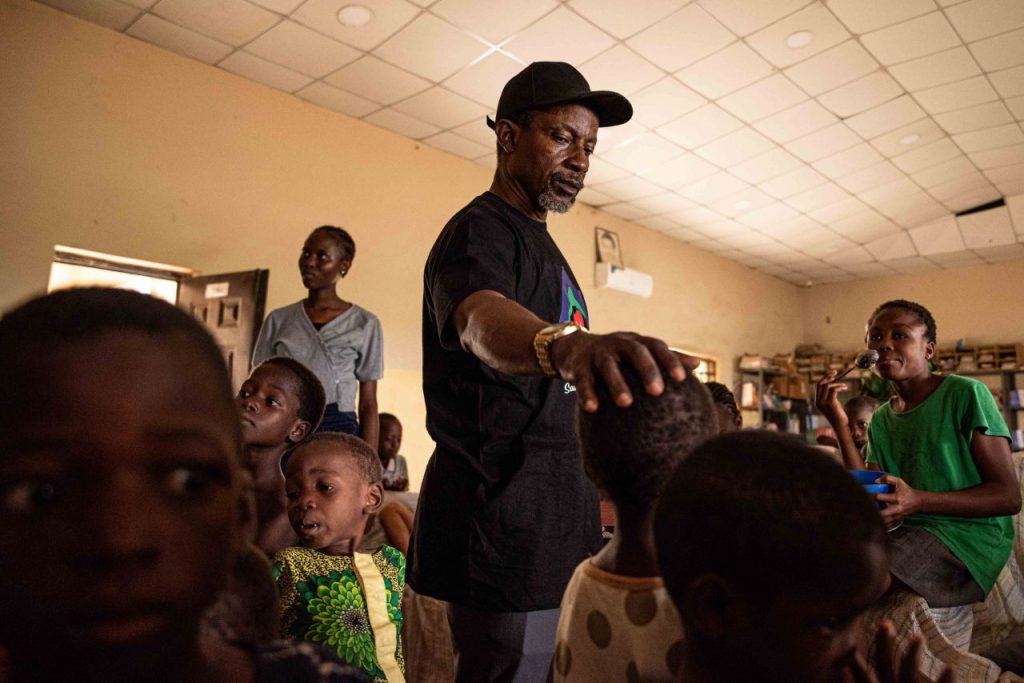
Infanticide in Nigeria is a stark reminder of the cost of misinformation, limited healthcare access, and the social stigma attached to newborns who deviate from cultural expectations. While the practice is decreasing thanks to advocacy, shelter programs like Vine Heritage Home, and government intervention, the battle is far from over. Sustained investment in education, maternal care, and human rights protections is essential to ensure every child’s right to life — and to consign infanticide to history.
 English