
The best site to get your Nigerian News, Latest News, Breaking News & Trending. From Politics, Entertainment, Sport, Education and Health.
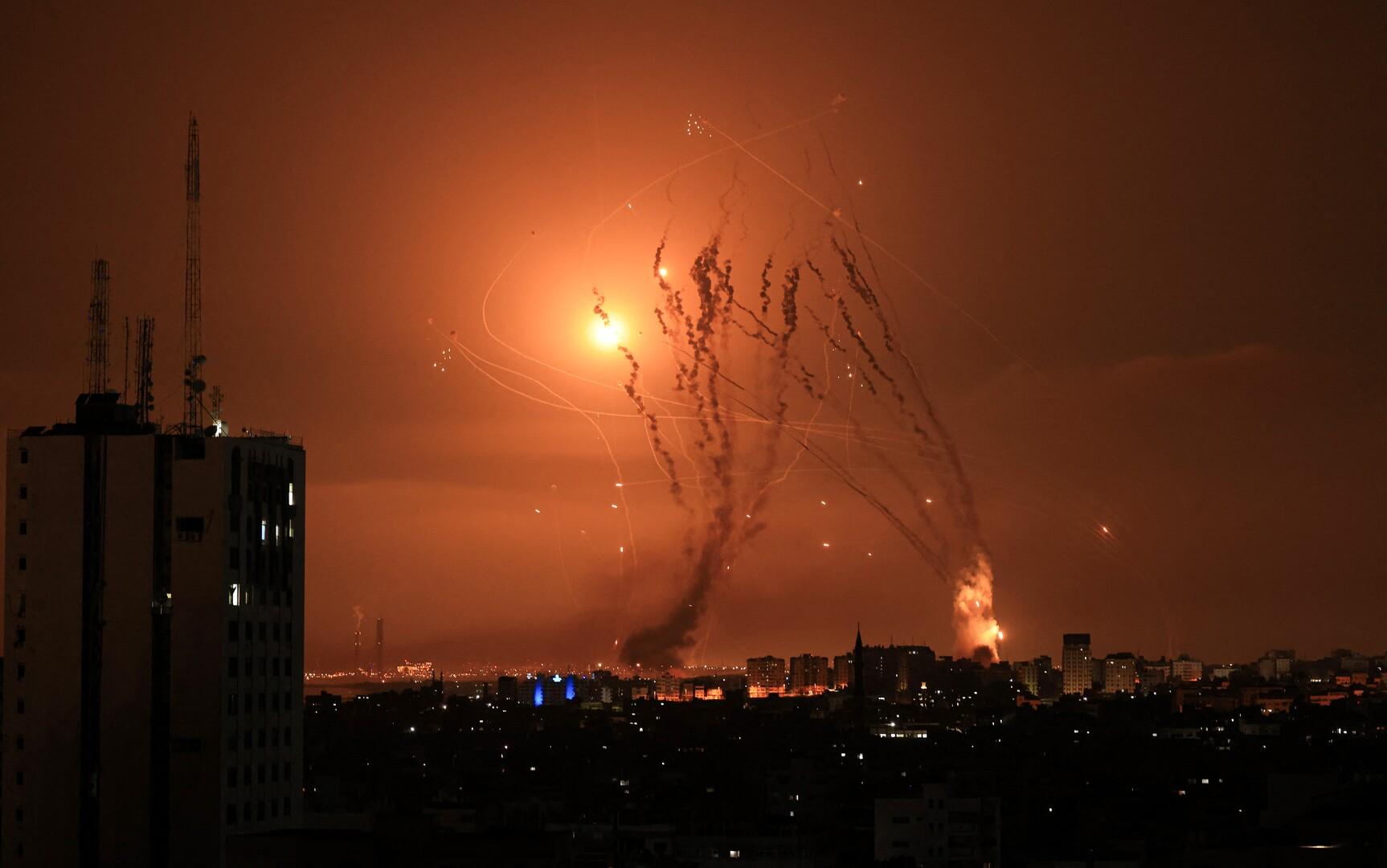
The explosion came without warning.
No countdown. No official declaration. Just a sudden, violent strike that tore through the silence—and instantly sent shockwaves far beyond the battlefield.
Within hours, the news spread across continents: one of Iran’s most powerful naval figures, Alireza Tangsiri, had been killed in what officials say was an Israeli strike.
But this wasn’t just another targeted attack.
This was something bigger.
Something far more dangerous.
Because the man at the center of it all wasn’t just a commander—he was a gatekeeper of one of the most critical choke points on Earth: the Strait of Hormuz.
And now, he’s gone.
To understand why this moment matters, you have to understand the man.
Alireza Tangsiri wasn’t a household name globally—but in military and geopolitical circles, he was a force.
As a senior commander within the Islamic Revolutionary Guard Corps (IRGC), he oversaw Iran’s naval operations in the Persian Gulf—an area where tension is constant and miscalculations can trigger global consequences.
But more importantly, he understood something many overlook:
Power doesn’t always come from size.
Sometimes, it comes from position.
And there is no position more powerful than the Strait of Hormuz.
Roughly a fifth of the world’s oil passes through that narrow corridor every day. A disruption—even temporary—can send global markets into chaos.
Tangsiri knew that.
He built strategies around it.
He projected power through it.
He turned geography into leverage.
Now, that leverage is uncertain.
According to multiple reports, the strike—attributed to Israel—was precise, calculated, and deliberate.
It wasn’t random.
It wasn’t accidental.
It was targeted.
And that’s what makes it explosive—not just physically, but politically.
Because targeting a figure like Tangsiri sends a message:
This is no longer just shadow conflict.
This is escalation.
For years, tensions between Iran and Israel have simmered beneath the surface—cyberattacks, covert operations, proxy battles across the region.
But this?
This feels different.
This feels direct.
It’s easy to view this as numbers, strategy, and geopolitics.
But beneath the headlines are people.
Families.
Communities.
Lives suddenly altered.
For those close to Tangsiri, this isn’t strategy—it’s loss.
And in regions already burdened by conflict, every new escalation adds another layer of uncertainty.
 English