
The best site to get your Nigerian News, Latest News, Breaking News & Trending. From Politics, Entertainment, Sport, Education and Health.
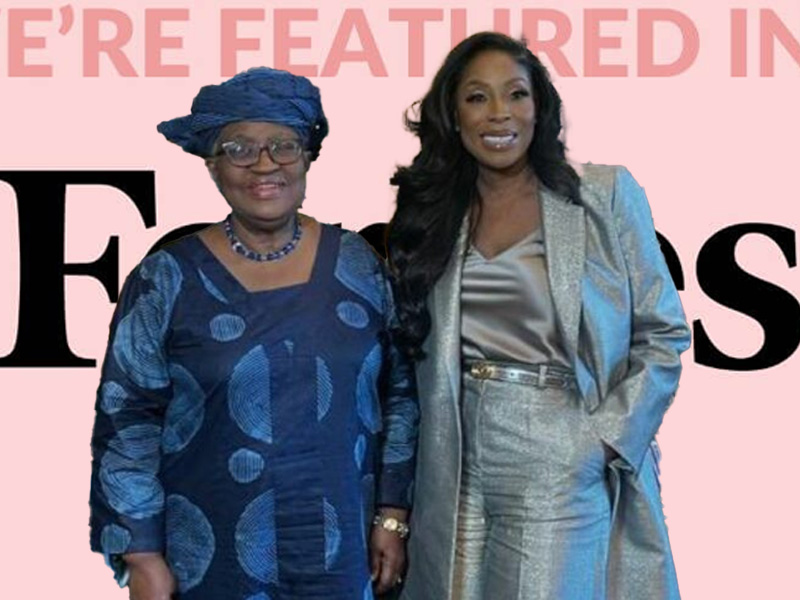
Two high-profile Nigerian women — Ngozi Okonjo-Iweala and Mo Abudu — have been named on Forbes’ 2025 World’s 100 Most Powerful Women list, highlighting their growing influence on the global stage and reaffirming Nigeria’s footprint in leadership across trade and media.
The Forbes list, released this month, celebrates women who wield significant influence over global politics, business, culture and innovation. Okonjo-Iweala and Abudu appear alongside world leaders, corporate chiefs, tech pioneers and cultural icons — all recognised for shaping key decisions and trends in 2025. Forbes
At 92nd on the 2025 list, Ngozi Okonjo-Iweala stands as one of the most respected figures in international economic governance. As the Director-General of the World Trade Organization, she is the first woman and the first African to lead the global body that oversees international commerce. Her ranking reflects decades of work across continents and institutions, including her prior role as Nigeria’s Finance Minister and senior positions at the World Bank. Her leadership continues to emphasise the power of trade as a lever for sustainable development and poverty reduction.
Okonjo-Iweala’s influence stretches far beyond her headline position. She has consistently been recognised on Forbes’ power list in recent years, underscoring her enduring role in shaping global policy and economic outcomes.
Mo Abudu, founder of EbonyLife Media, is ranked 98th on Forbes’ list — a testament to her impact in global entertainment and media. Abudu’s company has grown from a local broadcaster into a multinational media producer with partnerships spanning Sony Pictures Television, AMC Networks and Netflix. Her efforts have helped bring African stories to worldwide audiences, and in 2025 she expanded her reach further with a new digital platform for content distribution.
Her recognition on the powerful women list highlights not just personal achievement, but also the rising visibility of African creators and storytellers in global cultural markets.
This year’s Forbes ranking features leaders from politics, finance, technology, culture and philanthropy, celebrating women who are reshaping the international landscape. At the top of the list are figures such as the President of the European Commission, heads of central banks and government ministers, alongside innovators and executives driving technological and cultural change.
The list’s evaluation framework considers economic power, influence in media, global impact and reach — ensuring that honourees are recognised not just for titles, but for real influence in shaping the world’s future.
For Nigeria and Africa at large, the inclusion of Okonjo-Iweala and Abudu on the World’s 100 Most Powerful Women list is a moment of celebration and inspiration. Their achievements signal that Nigerian women are not only participating in global leadership conversations but are helping set the agenda in trade, governance, media, and cultural influence. As role models, they showcase the wide-ranging contributions African women are making across sectors and territories, and encourage the next generation of leaders to aim high on the global stage.
 English