
The best site to get your Nigerian News, Latest News, Breaking News & Trending. From Politics, Entertainment, Sport, Education and Health.
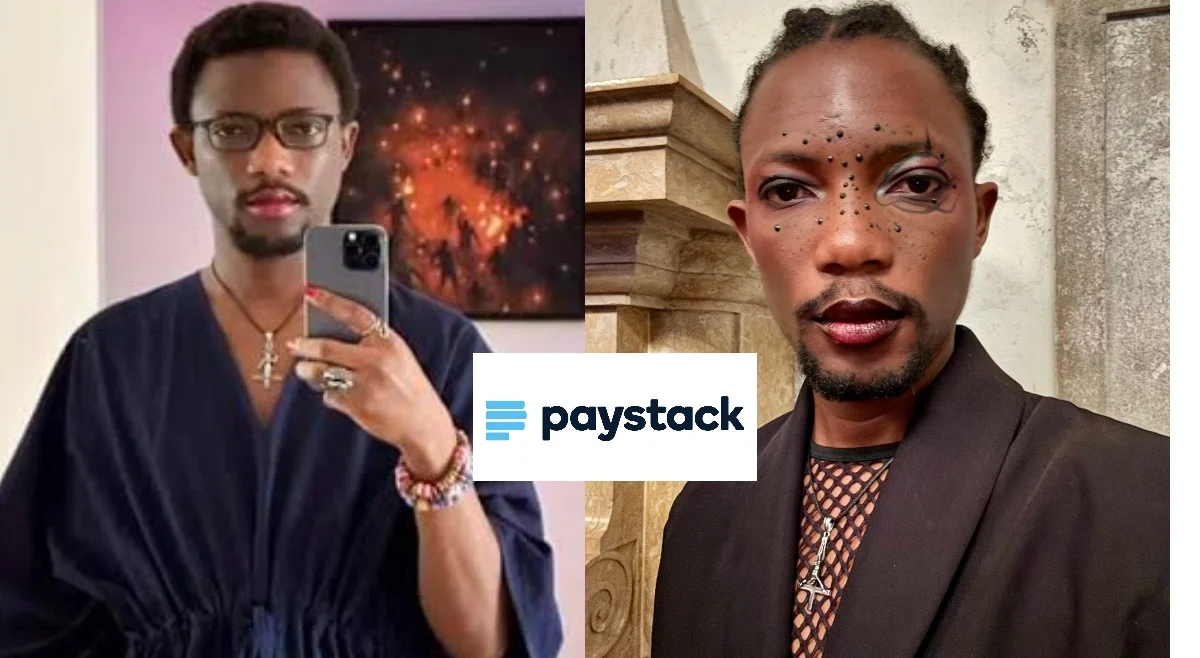
Paystack’s co-founder and Chief Technology Officer, Ezra Olubi, has been suspended by the Nigerian fintech firm following serious allegations of sexual misconduct — a development that has shaken up Africa’s tech community and sparked a broader conversation about leadership, power, and workplace ethics.
On November 14, 2025, Paystack announced that Olubi was being relieved of his responsibilities effective immediately, pending the outcome of a formal internal investigation. The company described the allegations as deeply troubling and said it would not comment further until the investigation is complete.
The suspension was triggered by social media posts that surfaced on November 12, where an individual claimed that Olubi had sexually abused a subordinate. But the issue quickly grew more complex: users also unearthed a trove of Olubi’s old tweets from 2009 to 2013, predating Paystack itself. Those tweets included sexually explicit jokes about coworkers, references to minors, and other highly sensitive content.
One such tweet from May 2011 reads:
“Monday will be more fun with an ‘a’ in it. Touch a coworker today. Inappropriately.” The Guardian Nigeria+1
Another post allegedly stated, “I judge my female friends by the sound their pee makes,” a line that has provoked widespread outrage. In light of the backlash, Olubi deactivated his X (formerly Twitter) account on November 13, 2025.
Paystack has responded by establishing a “fair, transparent, and structured” review process. The company says the investigation will strictly follow its internal policies and values, with a focus on preserving a safe and respectful environment for all employees.
For Paystack — one of Africa’s most prominent fintech firms, acquired by Stripe in a multi-hundred-million-dollar deal — this is more than a reputational issue. The handling of the allegations will likely be scrutinized across the technology ecosystem, as investors, employees, and other startups watch closely.
Meanwhile, public reaction has been intense. The controversy has sparked broader debates about misconduct, power dynamics, and accountability in the African startup scene. Some commentators argue that Paystack’s swift response shows maturity, while others contend that only a truly independent inquiry can restore trust.
As the investigation unfolds, the outcome could reshape how African tech companies address internal culture, ethics, and the behavior of high-powered executives. Will Paystack emerge stronger — or will this become a defining moment in its corporate history?
 English