
The best site to get your Nigerian News, Latest News, Breaking News & Trending. From Politics, Entertainment, Sport, Education and Health.
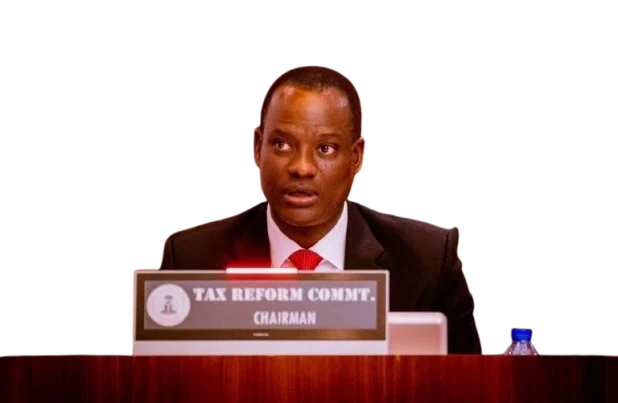
Taiwo Oyedele, Chairman of the Presidential Committee on Fiscal Policy and Tax Reforms, has revealed that he has received threats to his life over tax reforms in Nigeria, underscoring the political and social tensions surrounding the implementation of the country’s sweeping new tax laws.
Oyedele made the disclosure on Tuesday in Abuja at a governance colloquium held in honour of a presidential aide. He said that pushing through tax reforms in Nigeria — aimed at modernising the nation’s fiscal framework — has drawn resistance from entrenched interests and provoked hostility in some quarters.
“Reforms are hard, and tax reforms are even harder,” Oyedele said, adding that the threats stem from efforts to fix what he described as a “broken system.”
The federal government began enforcing the new tax regime on January 1, 2026, with four major statutes coming into effect: the Nigeria Tax Act 2025, the Nigeria Tax Administration Act 2025, the Nigeria Revenue Service Establishment Act 2025 and the Joint Revenue Board Establishment Act 2025. These laws represent the most comprehensive overhaul of Nigeria’s tax system in decades and are intended to simplify tax administration, expand revenue generation, and harmonise levies across the economy.
Despite these objectives, public misunderstanding and mistrust have slowed acceptance. Oyedele noted a widespread belief that the reforms introduce new taxes, when in fact many provisions are designed to reduce or harmonise existing taxes to create a fairer, more efficient system.
According to Oyedele, major challenges to successful implementation include:
He warned that silence from reform supporters allows critics and misinformation to dominate public debate, undermining the long-term objectives of the tax reforms.
Oyedele acknowledged that pushing the reforms carried significant political, economic and reputational risks. He described the process as akin to performing surgery on the nation’s tax architecture — painful in the short term but necessary for sustainable progress.
Despite facing online abuse and direct threats, he expressed optimism about the country’s path forward, noting that the current momentum is unprecedented. He urged Nigerians to engage constructively and to support efforts that will ultimately boost revenue, improve compliance, and enable better delivery of public services.
The debate over tax reforms in Nigeria has not been limited to threats against administrators. Some lawmakers and civil society groups have raised questions about discrepancies between the tax laws passed by the National Assembly and the versions later gazetted, calling for greater transparency and possible review.
Moreover, reform advocates have highlighted the need to avoid delaying implementation, warning that postponing the reforms could mean continued multiple taxation on workers and smaller businesses, undermining the intended benefits of the new tax regime.
 English