
The best site to get your Nigerian News, Latest News, Breaking News & Trending. From Politics, Entertainment, Sport, Education and Health.
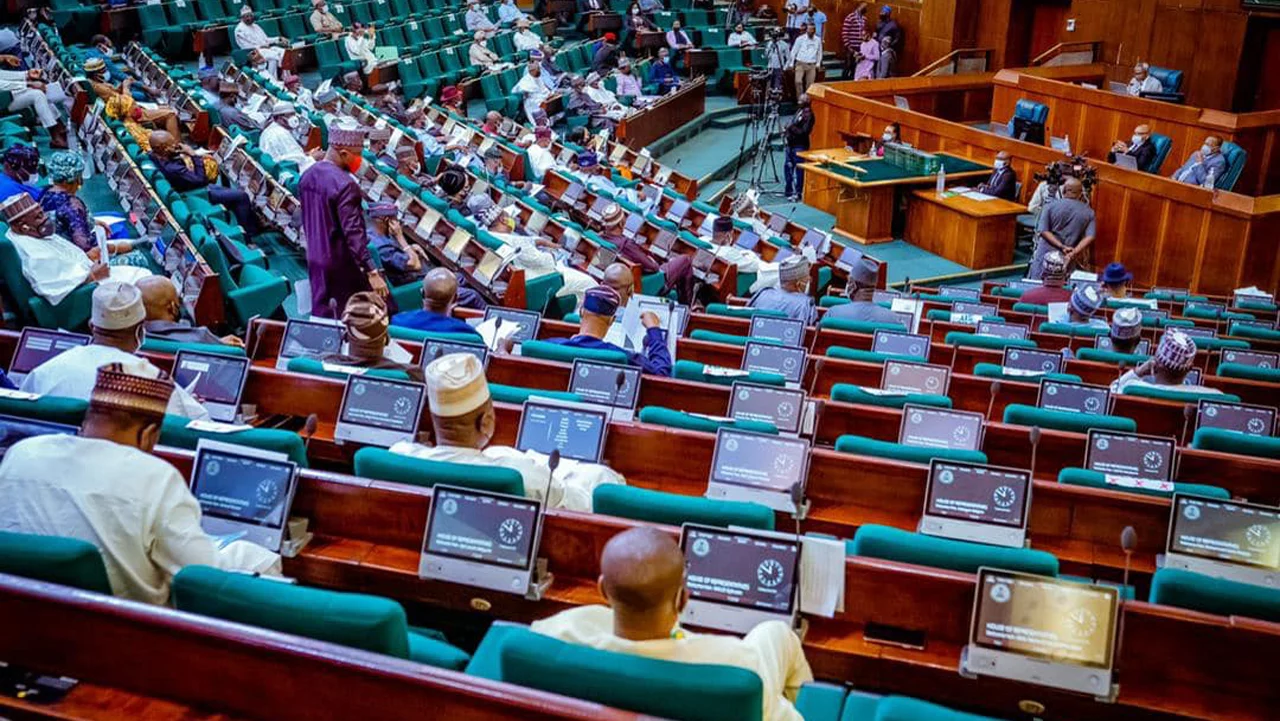
In a dramatic show of international concern, lawmakers from the United States Congress convened a joint briefing in Washington, D.C. on Tuesday — aiming to shed light on what they described as escalating violence, kidnappings, and persecution of Christians in Nigeria.
The session, initiated under orders from Donald Trump following his October directive, brought together members of key committees — including the Appropriations and Foreign Affairs Committees — alongside religious-freedom experts. The briefing marked a significant moment of scrutiny, as U.S. legislators weigh possible responses to what some witnesses labelled a “systematic campaign” of religious targeting.
According to participants, the violence — which has reportedly claimed thousands of lives and displaced many more — disproportionately affects Christian communities, particularly in Nigeria’s middle belt and northern regions. During the briefing, expert witnesses described a grim pattern: kidnappings, attacks on churches, mass killings, and forced conversions.
One key voice at the hearing, Alliance Defending Freedom International (ADF-International), which submitted testimony, argued that the scale and frequency of attacks — including recent abductions from schools and churches — demand urgent global intervention. Meanwhile, lawmakers cited reports of thousands of Christians killed and hundreds of churches destroyed over recent years as part of their justification for renewed oversight.
The Congress session is part of a broader push to revisit Nigeria’s designation under U.S. foreign-policy mechanisms, and possibly trigger diplomatic or economic pressure if the violence continues.
As the U.S. intensifies its scrutiny, Nigeria’s government has publicly rejected claims that the crisis constitutes state-backed religious persecution. Officials argue that the violence is driven by a complex mix of terrorism, banditry, and criminality — affecting citizens across religious divides.
Indeed — while some victims are Christians, many others are Muslims or members of religious/ethnic minorities. Analysts warning against oversimplifying the crisis say that resource conflicts, land disputes, and weak governance have contributed to the breakdown in security, making it difficult to frame the conflict solely in religious terms.
Still, the fact that U.S. Congress has taken formal steps signals mounting international pressure on Nigeria — and a growing risk of diplomatic consequences if accountability isn’t demonstrated.
The joint briefing concluded with lawmakers pledging to compile a comprehensive report for the White House. Among the recommendations: increased U.S. diplomatic engagement, conditional foreign assistance, support for human-rights monitoring on the ground, and pressure on Nigerian authorities to disarm militias and protect vulnerable communities.
Domestically, the events may intensify pressure on the Nigerian government to adopt substantive reforms — from overhauling security operations to addressing root causes like poverty, land disputes, and radicalisation.
For Nigerian citizens — especially religious minorities — the world’s spotlight may bring new hope for justice and protection. But as many observers caution, lasting safety will require more than statements and sanctions; it will need real, systemic change.
 English