
The best site to get your Nigerian News, Latest News, Breaking News & Trending. From Politics, Entertainment, Sport, Education and Health.
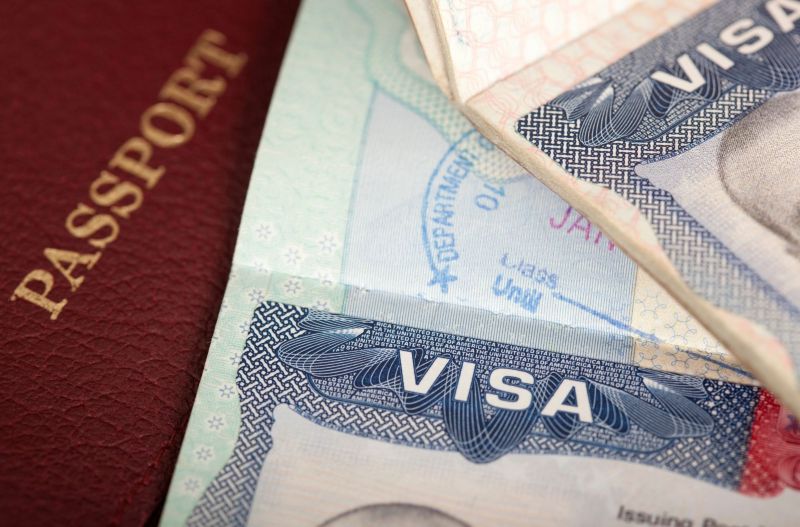
The United States Embassy in Nigeria has cancelled all visa appointments scheduled for Wednesday, March 4, 2026, citing the high potential for protests in Abuja as tensions escalate between the United States and Iran.
In an official statement posted on its website and social media, the Embassy warned of “Potential Demonstrations” in the Federal Capital Territory (FCT) and urged American citizens living in Abuja to stay indoors and avoid public areas on that day.
The advisory explained that previous protests in the city — particularly those linked to foreign policy issues — have at times resulted in violent confrontations between demonstrators and security forces, prompting the precautionary cancellation of visa services.
The Embassy’s statement said applicants affected by the cancellation will be contacted with information on how to reschedule their appointments and advised the public to monitor official embassy channels for updates.
American citizens were also told to:
Despite the cancellations, the Embassy clarified that the Consular Sections in Abuja and the U.S. Consulate in Lagos remain open, and appointments in other locations outside Abuja should continue as normal unless further notice is given.
The travel alert comes amid escalating geopolitical conflict involving the United States, Israel, and Iran. Recent military strikes attributed to U.S. and Israeli forces reportedly resulted in the death of Iran’s Supreme Leader, Ayatollah Ali Khamenei, and other senior officials — a development that has sparked protests in several countries.
In parts of Nigeria, demonstrations have already taken place in states such as Lagos and Yobe, where members of the Islamic Movement in Nigeria (Shi’ites) marched in solidarity with Iran and condemned foreign interventions.
The Embassy’s cancellation is a precautionary security response, not a permanent shutdown of services. However, it highlights how international events can have local impacts on diplomatic operations in Nigeria. Visa applicants and travellers planning to visit the United States are advised to:
As global tensions persist, security advisories may continue to influence consular services and travel arrangements in countries like Nigeria, where large public gatherings could occur in response to events abroad.
 English