
The best site to get your Nigerian News, Latest News, Breaking News & Trending. From Politics, Entertainment, Sport, Education and Health.
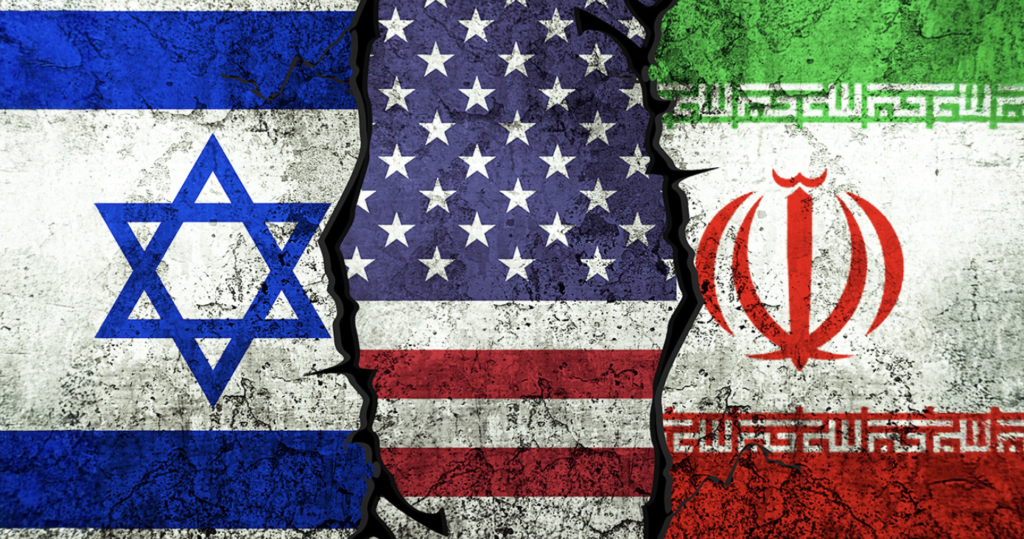
The Middle East is currently experiencing one of its most dangerous escalations in years after a joint military campaign by the United States and Israel against Iran, which began on February 28, 2026. The conflict has triggered retaliatory attacks, regional instability, and global economic concerns.
Here’s a breakdown of what we know so far.
The conflict began when U.S. and Israeli forces launched large-scale air and missile strikes across Iran targeting military bases, missile systems, and leadership sites.
The opening wave reportedly included hundreds of strikes within hours, aimed at crippling Iran’s military capabilities and strategic infrastructure.
One of the most dramatic outcomes of the initial attacks was the death of Iran’s Supreme Leader, Ayatollah Ali Khamenei, which significantly escalated tensions across the region.
Iran responded with missile and drone strikes targeting U.S. bases, Israeli territory, and strategic facilities across the Middle East.
The retaliation has included attacks on:
Iran also warned international shipping in the Strait of Hormuz, a crucial route for global oil supply, contributing to disruptions in shipping and energy markets.
The war has already caused significant casualties and destruction across several countries.
Major airstrikes have hit Iranian military sites and oil infrastructure, causing massive fires and environmental hazards in some cities.
The conflict is no longer limited to Iran and Israel.
Several developments have widened the crisis:
This raises fears of a larger regional war involving multiple Middle Eastern powers.
The conflict has already begun affecting the global economy.
Key consequences include:
Energy markets and global shipping routes are particularly sensitive to developments in the region.
Political leaders involved in the conflict have indicated the war may continue for some time.
U.S. President Donald Trump said the decision on when the conflict ends will be made in coordination with Israeli Prime Minister Benjamin Netanyahu, highlighting the close partnership between the two governments.
Meanwhile, military officials have warned that Iran could face continued strikes until its military capabilities are significantly weakened.
Analysts say this conflict could reshape the Middle East in several ways:
Because of the region’s importance to global energy and security, the war is being closely monitored by governments worldwide.
In short:
The current US-Israel-Iran conflict began with a major joint military strike on Iran, triggered massive retaliation, and is now evolving into a broader regional crisis affecting global politics, energy markets, and international security.
Mojtaba Khamenei Becomes Iran’s New Supreme Leader Amid Escalating Iran-Israel War
 English