

The sound wasn’t like a typical plane engine. Witnesses in Igbokoda, Ilaje Local Government Area of Ondo State, described hearing a noise like a localized thunderclap as the aircraft tore through trees before plunging into the murky marshlands near the Naval Base.
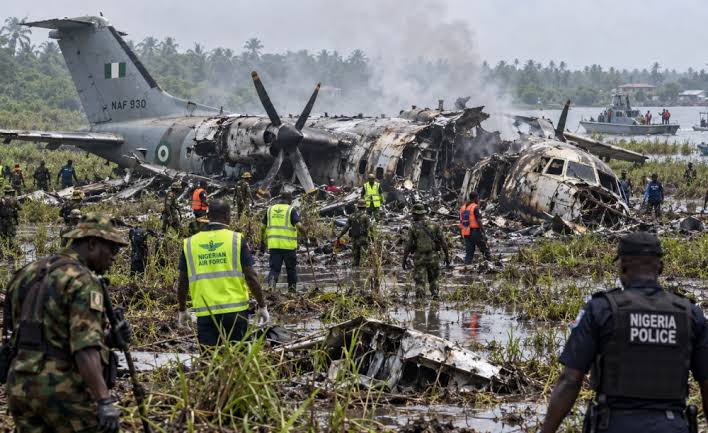
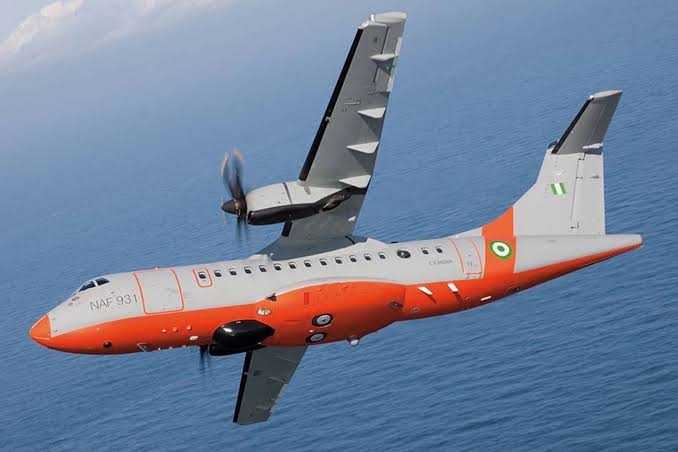
The tragic crash of the Nigerian Air Force (NAF 931) ATR-42 aircraft on October 5, 2026, claimed the lives of all 25 souls on board—5 crew members and 20 passengers, including military personnel and civilians. En route from Benin City to Lagos on a routine support mission, the aircraft vanished from radar around 9:13 a.m.
As operatives from the Nigerian Navy, Marine Police, and emergency agencies deploy specialized swamp buggies to recover the wreckage and victims, this latest tragedy has ignited a national debate over military air safety.
A Troubling 5-Year Pattern (2021–2026)
This latest incident is not an isolated mishap. It marks at least the 10th major military aircraft crash in Nigeria within the last five years, resulting in more than 68 military personnel and civilian fatalities.
A timeline of key incidents highlights the frequency of these losses:
- February 2021 (Abuja): A Beechcraft King Air 350i suffered engine failure en route to Minna and crashed near Nnamdi Azikiwe International Airport, killing all 7 personnel on board.
- March 2021 (Northeast): An Alpha Jet lost radar contact on an operational mission; both pilots were lost.
- May 2021 (Kaduna): A Beechcraft King Air crashed in bad weather near Kaduna Civil Airport, killing 11 officers, including the late Chief of Army Staff, Lt. Gen. Ibrahim Attahiru.
- July 2021 (Zamfara): An Alpha Jet was downed by enemy fire during an interdiction mission. The pilot, Flight Lieutenant Abayomi Dairo, survived after ejecting.
- April 2022 (Kaduna): A Super Mushshak trainer plane crashed at NAF Base Kaduna, killing 2 pilots.
- August 2023 (Niger State): An Mi-171E casualty evacuation helicopter crashed in Chukuba, killing 11 personnel.
- December 2023 (Port Harcourt): An Mi-35P attack helicopter crashed shortly after takeoff; all 5 crew members survived.
- December 2025 (Niger State): An Alpha Jet suffered an in-flight emergency during a post-inspection test flight near Kainji. Both pilots ejected safely.
- October 2026 (Ondo State): The NAF 931 ATR-42 maritime patrol plane crashed near Igbokoda, killing all 25 people on board.
Why Demands for Structural Reform Are Growing
The recurring losses across training, routine transport, and tactical operational flights have raised questions among aviation experts and industry stakeholders.
1. Breaking the Civilian-Military Divide in Safety Investigations
Aviation analyst Olumide Ohunayo and other industry experts argue that military air crashes should involve independent regulatory overviews. Calls are growing for stronger collaboration between the Nigerian Air Force, the Nigerian Civil Aviation Authority (NCAA), and the Nigerian Safety Investigation Bureau (NSIB). Treating military air safety under a “bloody civilian” exemption limits transparent, cross-sector forensic investigations and shared learning.
2. Upgrading Operational and Maintenance Protocols
While military platforms undergo scheduled maintenance—such as NAF 931’s overhaul in Germany prior to returning to service in late 2024—experts stress the need to continuously re-evaluate operational manuals, pre-flight checks, and environmental safety tolerances.
3. Implementation and Transparency
Following high-profile incidents like the 2021 Kaduna crash, joint panels issued safety recommendations. Aviation analysts argue that the public release and tracked implementation of these recommendations are critical to preventing similar incidents.
The Road Ahead
Chief of the Air Staff, Air Marshal Sunday Kelvin Aneke, alongside the Defence Headquarters, has ordered a full-scale probe into the Ondo State crash. As marine search units continue recovery efforts in the Ilaje swamps, the focus remains on delivering answers to the bereaved families and implementing reforms across the military aviation sector.


 English