
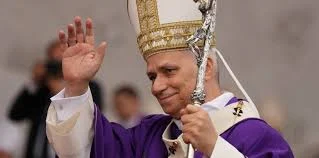

It is a chilling paradox of the modern world: a shipment of advanced military weaponry can cross international borders with smooth, terrifying speed, yet a crate of life-saving grain can sit stranded at a port for weeks, tangled in administrative paperwork.
During a high-profile visit to the United Nations World Food Programme (WFP) headquarters in Rome, Pope Leo XIV didn’t hold back. He delivered a stinging critique of the international community, warning that a creeping “progressive bureaucratisation of solidarity” is actively choking global humanitarian aid and leaving the world’s most vulnerable populations invisible.
The Pontiff’s warning exposes a fundamental breakdown in how the global community balances political administrative protocols against urgent human suffering.
The “Bureaucratisation of Solidarity”
At the heart of the Pope’s address was a warning against letting administrative legalities override basic human empathy. He pointed directly to the growing gap between what world leaders promise on paper and what actually happens on the ground.
“It is precisely within the gap between acknowledgement in principle and prioritisation in practice that we witness the progressive bureaucratisation of solidarity alongside the quiet commodification of human life.” — Pope Leo XIV
Humanitarian organizations are increasingly bogged down by complex compliance procedures, legal bottlenecks, and strategic economic vetting before aid can be cleared for delivery. While accountability is vital to prevent corruption, the Pope argued that these over-complicated structures have evolved into barriers that delay critical, time-sensitive assistance to active crisis zones.
Feeding Conflicts vs. Nourishing People
The most damning segment of the Pope’s speech highlighted a jarring double standard in global logistics. He pointed out the structural imbalance where aid and development projects face heavy political scrutiny, while the machinery of war operates with zero friction.
- Weaponry Moves Unhindered: Military hardware moves smoothly through international supply chains, cutting through borders to fuel active conflicts.
- Aid is Obstructed: Food, medical supplies, and logistical support face severe regulatory slowdowns and strategic roadblocks.
“In effect, conflicts are ‘fed’ more readily than people are nourished,” the Pontiff stated, pointing to a profound imbalance in global political and moral priorities. Under current economic systems, individuals who do not generate immediate “quantifiable economic value” run the risk of becoming entirely erased by bureaucratic machinery.
A System Strained to the Limit
The Pope’s appeal comes at a highly critical moment for global logistics. Humanitarian agencies are facing a perfect storm of multiplying challenges, from intensifying conflicts to steep budget realities.
┌──────────────────────────────────────────────────────────┐
│             GLOBAL AID CHALLENGE MATRIX                  │
├────────────────────────────┬─────────────────────────────┤
│  Increasing Friction       │  Decreasing Resources       │
├────────────────────────────┼─────────────────────────────┤
│  • Complex border vetting  │  • Deep US funding cuts     │
│  • Intense regional wars   │  • European budget trimming │
│  • Shipping cost spikes    │  • 2025: 121M people served │
└────────────────────────────┴─────────────────────────────┘
Despite the UN’s World Food Programme successfully providing critical assistance to 121 million people, the organization has been hit incredibly hard by severe funding cuts from major historical donors in Europe and the United States.
By demanding that governments streamline their delivery channels and lift political blockades, the Pope is challenging the global community to rethink its operations. True solidarity isn’t measured by the complexity of an agency’s paperwork—it is measured by how fast bread reaches a hungry child.
Also Read:
White House Secrets: The Most Shocking Scandals Involving US First Ladies



 English