
CNG Crisis: Why Long Queues, High Conversion Costs & Infrastructure Deficits Are Threatening FG’s Oct 1 Fare Cut Target

The Federal Government’s push to deliver measurable reductions in public transportation fares by October 1 faces significant operational headwinds across Nigeria.
Despite official statements from the Presidency that over 120,000 vehicles have been converted, supported by 400+ certified conversion centers and 90+ CNG refuelling stations, commercial drivers, transport unions, and commuters report that severe infrastructure deficits threaten to undermine the National Affordable CNG Transit Programme.
With the implementation committee—chaired by Kwara State Governor AbdulRahman AbdulRazaq—working under the Nigeria Governors’ Forum to coordinate rollout plans, stark disparities have emerged between state-subsidized transit schemes and private commercial reality.
The Reality on the Ground: Long Queues & Operational Bottlenecks
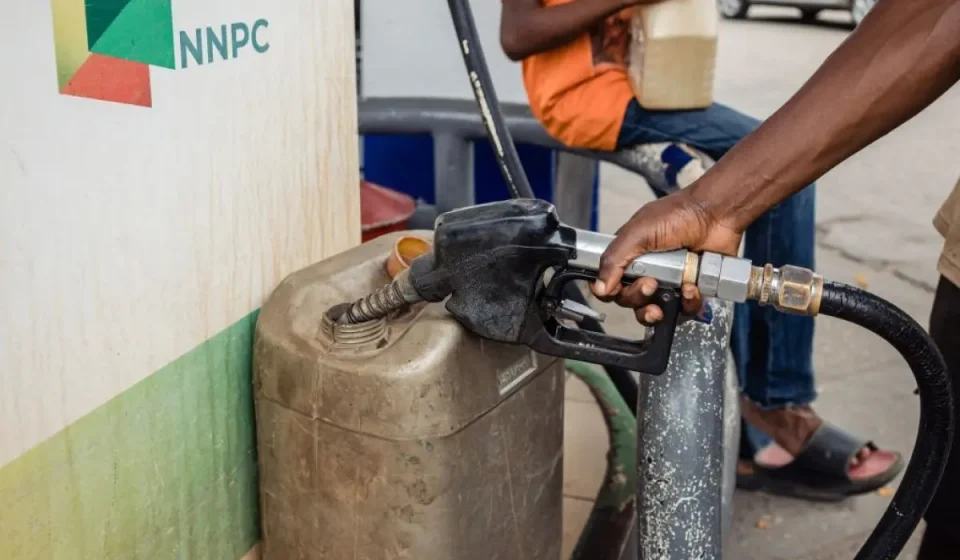
In high-density commercial hubs like Lagos and along major interstate arteries, commercial drivers report spending hours in queues to refuel. Facilities such as the NIPCO station at Ibafo along the Lagos-Ibadan Expressway, NNPC Ilasamaja, and NIPCO Mobil on Ajegunle Road consistently experience gridlock extending onto primary roadways.
Commercial drivers note that while CNG offers substantial cost savings over petrol—which currently sits around N1,400 per liter—the scarcity of functional pumps forces operators to choose between high fuel costs or hours of lost operational time.
“The queues in CNG stations are really costing us time, because time is money… Because of those long queues, we lose a lot of time and money.”
— Yusuf Othman, National President, National Association of Road Transport Owners (NARTO)
Transport leaders acknowledge that interventions through the Midstream and Downstream Gas Infrastructure Fund (MDGIF) are helping bring new stations online, but current capacity remains insufficient for the volume of vehicles attempting to switch.
The N800,000 Barrier: Conversion Costs & Safety Fears
For independent commercial operators, the transition to CNG presents two major hurdles: upfront conversion expenses and ongoing safety concerns.
- High Initial Investment: Vehicle owners report conversion estimates ranging from N750,000 to N1,000,000, depending on cylinder size—a price tag out of reach for many small-scale operators in states like Gombe, Jigawa, and Bayelsa without flexible financing.
- Perception & Safety: In states like Borno and Kwara, union officials note that safety anxieties persist among drivers who fear cylinder explosions or vehicle damage, despite government safety certifications.
- Lack of Local Infrastructure: In states such as Zamfara, Jigawa, and Plateau, commercial drivers report a complete absence or severe shortage of public refuelling stations and certified conversion workshops, leaving newly supplied CNG buses grounded.
State-by-State Disparities: Free Rides vs. Missing Infrastructure
The implementation of the CNG initiative varies widely across regions, highlighting the divide between government-subsidized fleets and commercial transport networks:
| State | CNG / Alternative Transit Status | Commercial Operator Impact |
| Kaduna | Operates a 100% free CNG bus service across 8 routes and 200 stops since July 2025. | State-run service is fully subsidized; private commercial fleet integration remains gradual. |
| Plateau | Runs city transit charging N200 for 18–20km routes in Jos-Bukuru. | Commercial drivers report zero public CNG refuelling stations in the state. |
| Borno | Deployed hundreds of state-owned Electric Vehicles (EVs) with fares between N50–N100. | Private operators raise safety concerns and note rising gas costs. |
| Edo | Preparing to deploy over 50 52-seater CNG buses across three senatorial districts. | Union officials highlight long queues at existing gas stations affecting turn-around times. |
| Nasarawa | Trained 50 auto-technicians; establishing conversion centers in all 3 senatorial zones. | Framework under development to lower entry barriers for local mechanics. |
| Jigawa & Zamfara | State governments planning initial stations in capital cities. | Commercial operators report no active CNG stations or conversion centers currently operating. |
Can the October 1 Target Be Met?
While state-subsidized transit schemes in places like Kaduna, Borno, and Plateau demonstrate that alternative energy can significantly slash commuter costs, commercial transport operators emphasize that fuel prices are only one component of passenger fares. High maintenance costs, spare parts inflation, vehicle financing, and local levies also dictate commercial pricing.
As the October 1 timeline approaches, the Federal Government continues to roll out financing structures and expand gas infrastructure via MDGIF-backed projects in Lagos, Abuja, and Owerri. However, achieving widespread, market-driven fare reductions will depend on expanding refuelling points to eliminate multi-hour queues and making vehicle conversion accessible to independent commercial drivers across all 36 states.


 English